

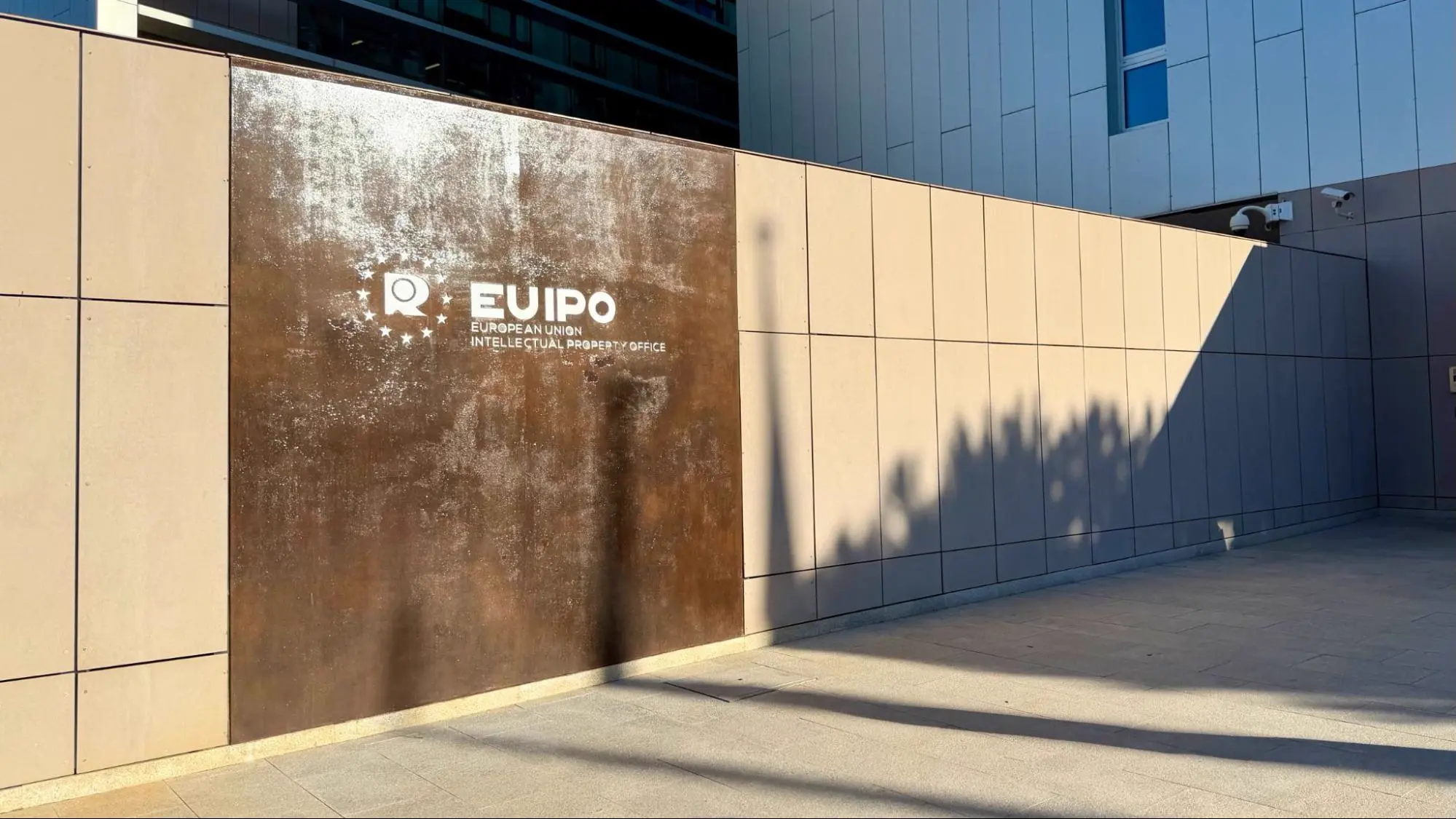
I spent Monday at the final conference for CommonsDB, hosted by the EUIPO. This is a short write-up of what the project built, and what was covered at the event.
The project
CommonsDB is an EU co-funded pilot. Over 18 months it built a public registry of public domain and openly licensed works. The target was five million works. They registered almost 6.5 million.
Works are identified by ISCC (ISO 24138:2024), a code derived from the content itself, so anyone with the file can compute it. Rights status is recorded as a declaration which is in JSON-LD, signed with a key tied to a domain through a Decentralised Identifier, and timestamped. The rights statement inside is a Creative Commons or Public Domain Mark URL.
The consortium is Open Future (lead), Liccium, the Europeana Foundation, Wikimedia Sverige and IViR. It’s alongside a DG CONNECT pilot for an EU repository of public domain and open licensed works, whose purpose is to test whether such a repository improves legal certainty for reuse and gives AI developers something they can train on without a lawyer in the room.
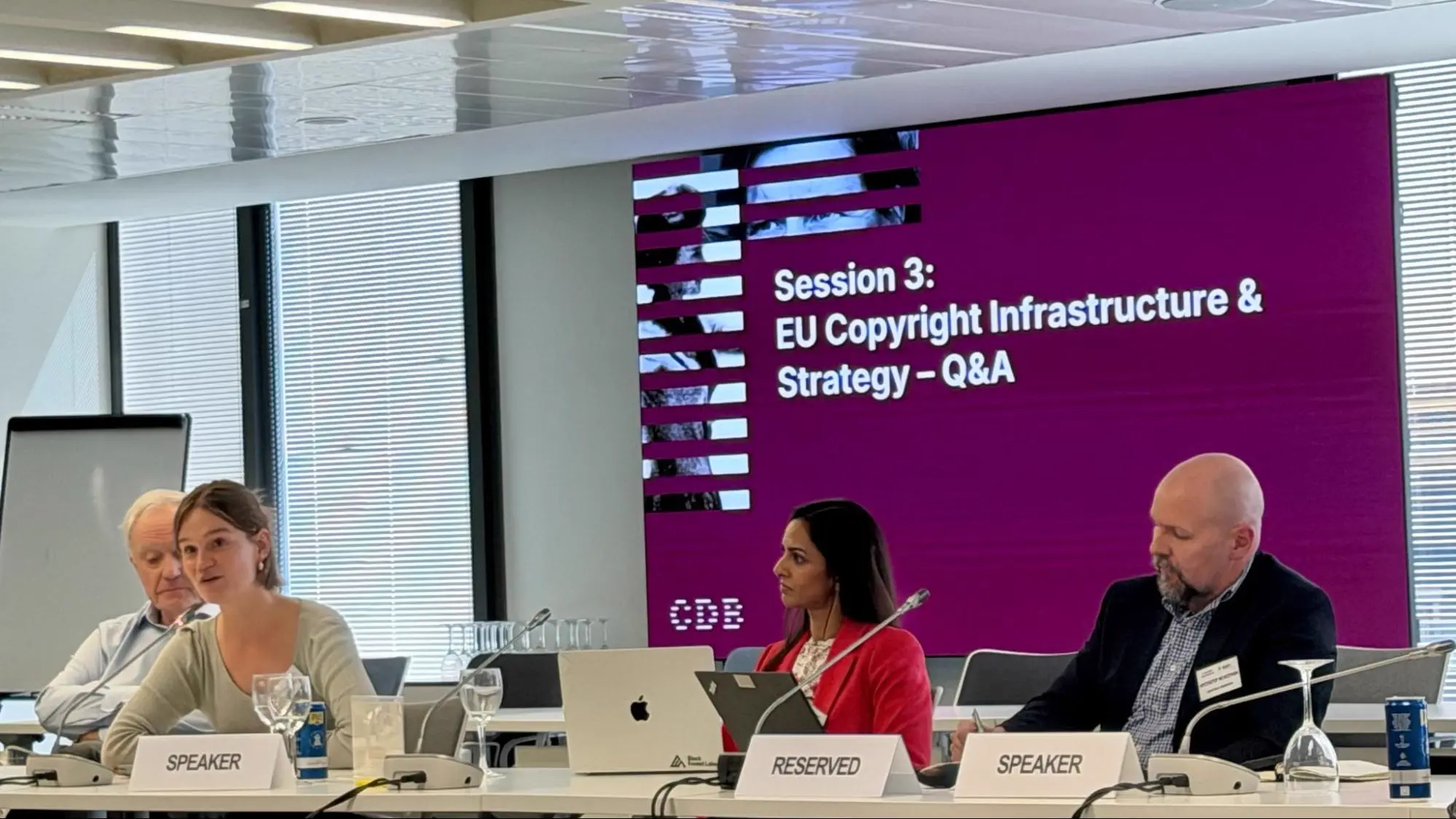
Some ideas
Content-derived identifiers are glue. Europe has a lot of rights databases and no shared key between them. If the identifier can be computed from the work rather than handed out by a registrar, you can join those databases without first settling the politics of who handles all the numbers.
The idea is for this to be federated, rather than central. The EUIPO published a study in May mapping EU databases and metadata standards for copyright-protected works. Its recommendation is a federated transparency layer, with the working name “CopyrightView”, where existing providers keep authority over their own records.
The Commission put out a feasibility study in July on an EU-level registry for text and data mining opt-outs. The conclusion is that a registry could complement the existing sector-specific mechanisms, so, in other words, a meatball on top of the spaghetti of opt-out mechanisms we already have. If it ends up federated and keyed on ISCC it might be quite a useful meatball at that.
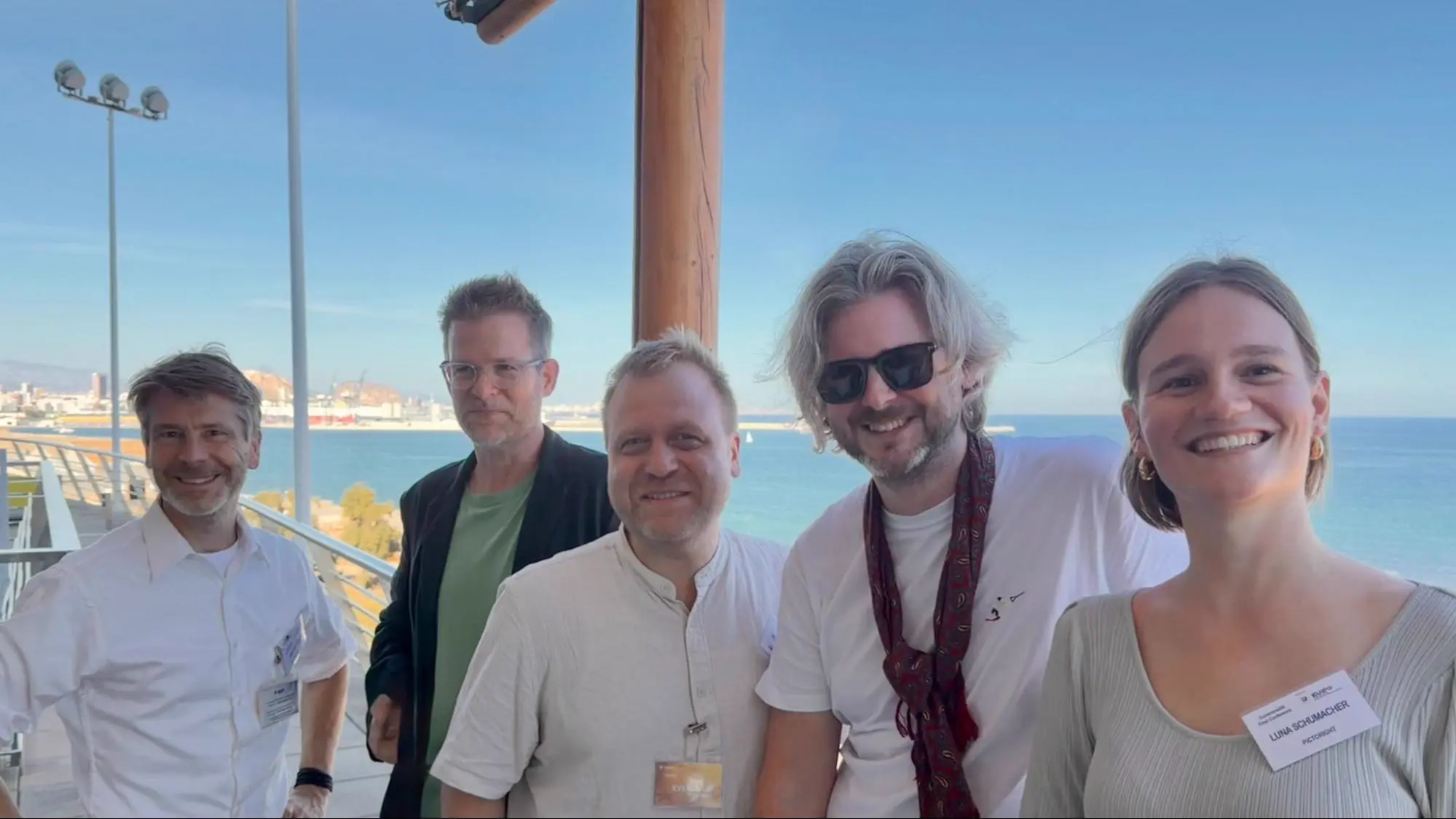
We are looking forward to seeing what comes of this promising pilot project.
Useful links
- CommonsDB docs: https://docs.commonsdb.org/
- TwinSpect (ISCC benchmarks): https://eval.iscc.codes/
- EU repository of public domain and open licensed works: https://digital-strategy.ec.europa.eu/en/funding/eu-repository-public-domain-and-open-licensed-works
- EC feasibility study on a TDM opt-out registry: https://digital-strategy.ec.europa.eu/en/library/new-feasibility-study-introducing-eu-level-registry-text-and-data-mining-opt-out
- Conference page: https://openfuture.eu/event/commonsdb-final-conference/


.svg)
